
Backflow Preventer
Backflow prevention is an integral part of drinking water safety.
Over 98% of buildings have some sort of Backflow device preventing contaminants from entering the public water supply. Backflow preventers are typically located in every commercial property at the point where the municipal water supply enters a commercial property. Backflow preventers are tested annually to ensure they are operating correctly with reports being submitted to the local water authority.
ASSE and Multi state certified in testing and repair.
Annual inspections and services include:
- Visual inspection for signs of leakage
- Testing of devices in accordance with strict regulatory standards
- Submittal of reports to proper water authorities
- Replacement of worn rubber interior components as needed
- Flushing of devices
- Troubleshooting and repair of leaking devices
- Replacement of existing devices in the event of catastrophic failure
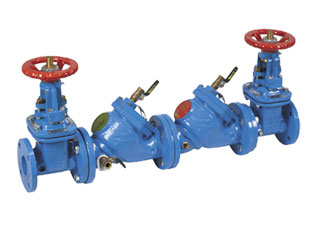

Importance of Backflow Preventer Inspection
Routine backflow preventer inspection is vital to protect potable water from contamination caused by reverse flow. In fire protection systems, a malfunctioning backflow preventer can compromise both public safety and code compliance. Inspections verify that the valves and components are functioning correctly and meet the necessary performance standards.
Visual and Functional Testing
Each inspection includes a thorough visual review for signs of leakage, corrosion, or damage, along with confirmation that the device is properly installed. Certified inspectors perform pressure testing on all internal components, such as check valves and relief valves, to ensure the system operates safely and efficiently.
Forward-Flow and Pressure Testing
Annual inspections for backflow preventer fire protection systems often include forward-flow testing. This ensures that the device allows enough water to flow through it to meet the demand of fire sprinklers or hose stations. Pressure levels are checked to confirm that they match manufacturer requirements and code mandates.
Inspection Requirements for Fire Protection Systems
Backflow preventers used in fire protection must comply with both local plumbing codes and national standards. Depending on the system type and hazard level, assemblies like double check valves or reduced pressure zones may be required. These assemblies must be inspected annually to maintain system reliability.
Post-Inspection Maintenance
If a backflow preventer inspection reveals deficiencies, the technician may flush the unit, replace internal parts, or recommend a complete replacement. Proper documentation is provided after each inspection to ensure compliance with municipal regulations and fire safety standards.
Do you need backflow preventer inspection services today? Reach out to our expert team for quick service.
Reach Out To Our Team For Fast Backflow Preventer Services
Do you need backflow preventer inspection services today? Reach out to our expert team for quick service.