
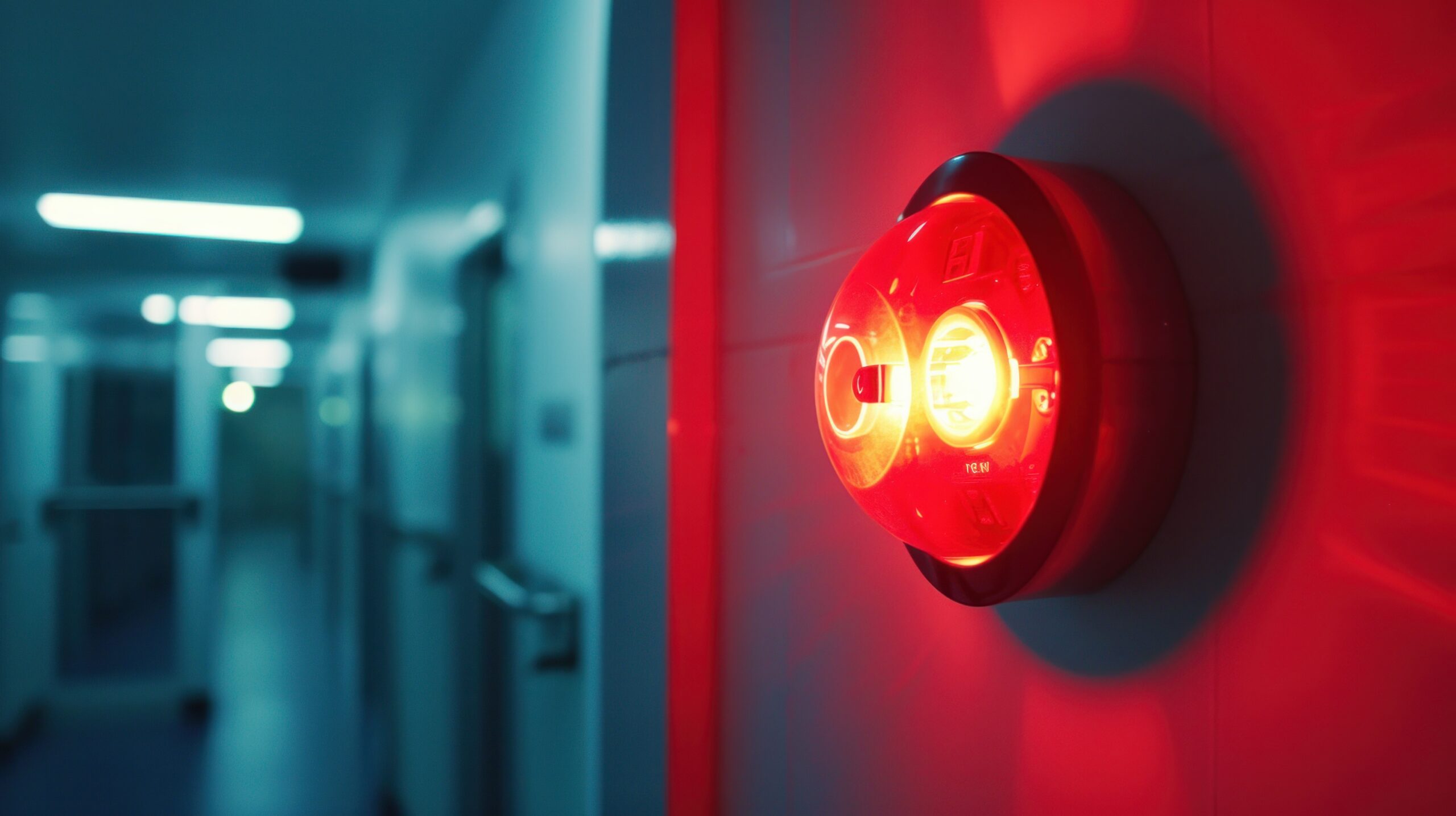
A beeping or constantly triggering fire alarm in a commercial building should not be ignored. Across New York State and Pennsylvania, recurring alarms are often tied to aging equipment, environmental conditions, or system faults. Understanding why a commercial fire alarm keeps going off helps reduce disruption and restore reliable protection.
Key Takeaways
- Most recurring alarms come from low batteries, dirty sensors, or aging devices.
- Steam, humidity, and HVAC airflow commonly trigger false alarms in commercial spaces.
- Ongoing beeping often points to wiring faults or panel issues.
- Professional inspection helps maintain compliance and system reliability.
Common Reasons Commercial Fire Alarms Keep Going Off in NY and PA
Fire alarm systems are designed to detect hazards, but common issues can cause repeated alarms. Many problems relate to maintenance gaps, aging components, or configuration errors. Teams responsible for fire alarm systems regularly encounter these patterns across commercial properties in New York State and Pennsylvania.
Low Battery Chirps in Battery-Operated and Hardwired Units
A chirp every 30 to 60 seconds usually signals a low battery. In interconnected systems, one failing battery can affect multiple devices. This is common in older buildings with shared circuits. Per NFPA 72 guidelines, backup power must be maintained for proper operation.
Dust and Debris Buildup Inside Smoke Sensors
Dust inside detectors is a leading cause of repeated alarms. HVAC systems circulate particles that settle in sensor chambers and create false readings. This is common in warehouses and retail spaces where airflow is constant.
Aging Devices Reaching End of Service Life
Most devices last 8 to 10 years. As components degrade, sensors lose accuracy and trigger false alarms even after cleaning. Manufacturer date codes confirm age, and replacement should be part of routine maintenance planning.
Wiring Issues in Hardwired Fire Alarm Systems
Beeping after a battery change often indicates a wiring fault. Loose connections, corrosion, or damaged insulation can create intermittent signals. Older electrical systems are more prone to these issues and often require professional diagnostics.
Environmental Triggers Like Steam, Humidity, or HVAC Airflow
Steam, humidity, and strong airflow can disrupt detector readings. Photoelectric sensors are sensitive to airborne moisture, which can trigger false alarms. Proper placement helps reduce these issues.
Software or Panel Programming Errors
Incorrect panel programming can misroute signals or trigger unexplained alarms. This often happens after renovations when systems are not updated. These issues are frequently tied to gaps in fire alarm monitoring.
Power Interruptions and Backup Battery Faults
Power interruptions can place systems into a trouble state. Weak backup batteries may continue to trigger alerts after power returns. Panels usually display codes that identify the issue.
How to Decide When Professional Fire Alarm Service Is Needed
Some issues are easy to identify, but recurring problems usually indicate deeper faults. Knowing when to involve a technician helps prevent downtime and maintain compliance.
Alarm Won’t Stop After Battery Replacement
If beeping continues after replacing the battery, the issue is likely not power-related. Failed sensors or circuit issues often require diagnostic testing. These problems are commonly found during a fire alarm inspection for businesses.
Recurring False Alarms Across Multiple Zones
Multiple zones triggering alarms typically indicate a system-level issue. Ground faults or communication errors can disrupt the entire system and require full troubleshooting.
Fire Alarm Panel Displays Trouble or Fault Codes
Panel codes identify specific issues within the system. These codes should not be ignored, as they can indicate that part of the system is not functioning properly.
Building Age or Code Compliance Concerns
Older buildings often operate under outdated codes. Updates to detection or suppression systems, such as fire sprinklers, may be needed to meet current standards.
Alarm Beeping Every 30 Seconds Without Resolution
A persistent 30-second chirp usually signals a low battery. If it continues after replacement, the device may have an internal fault that requires inspection.
Signs of Wiring or Sensor Damage
Corrosion, exposed wiring, or water intrusion can impact system performance. Even minor damage can cause intermittent faults or false alarms, especially in harsh environments.
Scheduled Inspection and Testing Requirements
Commercial systems require periodic inspection and testing. Facilities operating across regions, including Philadelphia fire alarm systems, must meet state and local requirements to remain compliant.
Get Your Fire Alarm System Checked Today
A commercial fire alarm that keeps going off disrupts operations and can indicate underlying system faults. If you are seeing repeated alarms or panel trouble codes, review the system with Empire Fire Protection Services or contact us to schedule an evaluation.
Frequently Asked Questions
How do you stop a commercial fire alarm from beeping?
Identify the cause, which is often a low battery, dirty sensor, or wiring issue. Replacing the battery resolves many cases. Persistent beeping usually requires professional inspection to diagnose system faults.
Why does a commercial fire alarm beep every 30 seconds?
A 30-second chirp is the standard low-battery signal. If it continues after replacement, the issue may involve wiring faults, device failure, or a system trouble condition.
What causes repeated fire alarm alarms in commercial buildings?
Common causes include dust buildup, environmental conditions, aging devices, and wiring problems. System-wide issues like panel errors or power faults can also trigger alarms across multiple zones.
When should you call a fire alarm technician?
Call a technician when alarms persist after basic troubleshooting, when multiple zones are affected, or when the panel displays fault codes. These situations require specialized diagnostic tools.
How often should commercial fire alarms be inspected?
Inspection frequency depends on local code, but most systems require periodic testing. Regular inspections help identify issues early and ensure reliable operation during an emergency.