
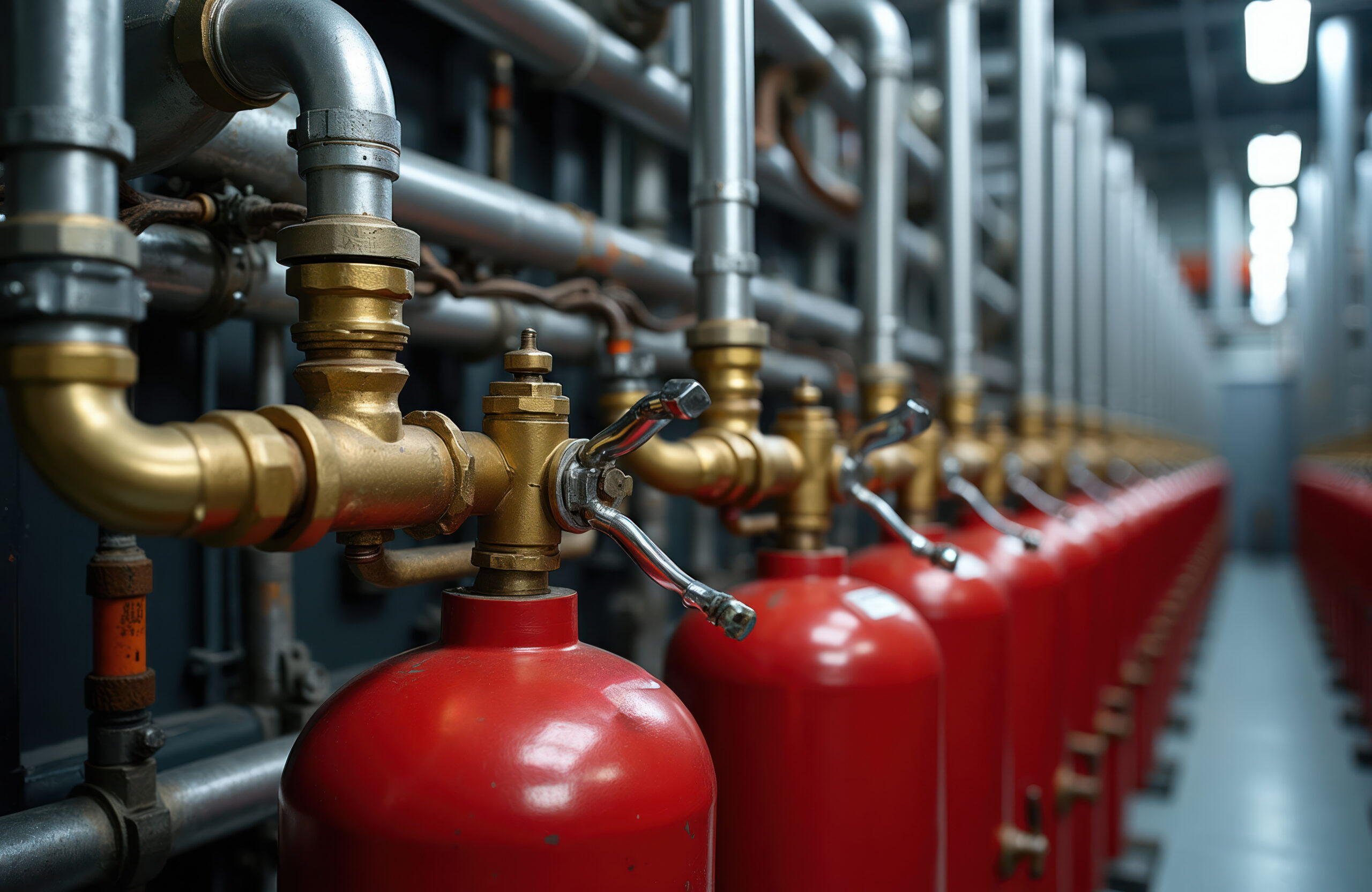
Special hazard fire suppression systems use specialized agents to control or extinguish fires where water-based protection may be unsuitable. From server rooms to commercial kitchens and fuel areas, different hazards require different suppression methods. This guide covers five fire suppression system types, their applications, and key differences.
Key Takeaways
- Special hazard fire suppression systems protect areas where water is unsuitable, using agents like clean agent, inert gas, and wet chemicals.
- Different systems match specific hazards including server rooms, kitchens, and fuel storage, while sprinklers control fire spread with water effectively.
- Owners select systems by identifying hazards, confirming NFPA and AHJ requirements, and requesting professional site assessments for compliance and suitability.
- Regular semi‑annual inspections, staff training, documentation, and vendor support ensure reliability, with cold‑weather checks especially important for Upstate New York facilities.
Common Special Hazard Fire Suppression Systems and Their Key Differences
Each special hazard system pairs a suppression agent with a type of fire. The right match depends on what is burning, what is nearby, and what must stay undamaged. The sections below compare the five most common types.
Clean Agent Fire Suppression Systems for Sensitive Equipment
A clean agent fire suppression system discharges a gas that extinguishes fire and leaves no residue. Clean agents include chemical agents such as FM-200 and Novec 1230, along with inert gases.
They suit spaces filled with electronics, records, or high-value equipment. In Upstate New York, businesses often use them in server rooms, telecom closets, and archive rooms. Design and testing follow standards such as NFPA 2001 for clean agent systems.
FM-200 and Inert Gas Systems for Different Suppression Methods
An FM-200 fire suppression system uses a chemical agent that interrupts the combustion reaction, usually at a low design concentration. Inert gas systems instead lower the oxygen level in the room until the fire cannot continue.
The two approaches need different storage space, because inert gas cylinders are typically larger and operate at higher pressure. Owners often see “FM 200 fire suppression system” and “FM-200 fire suppression system” used interchangeably for the same agent.
Agent availability and environmental rules can influence which option a site selects.
Wet Chemical Fire Suppression Systems for Commercial Kitchens
Commercial kitchen fire suppression systems protect fryers, griddles, ranges, and exhaust hoods from grease fires. When a fire is detected, the system releases wet chemicals through strategically placed nozzles and shuts off the cooking equipment’s fuel or power supply.
The chemicals cool burning grease and create a soap-like barrier through saponification, helping prevent re-ignition. These systems require regular inspections, typically every six months, to maintain reliable protection
Wet Chemical Fire Suppression Systems for Food Trucks
Food truck fire suppression systems protect fryers, griddles, and cooking hoods from grease fires. When activated, they release wet chemicals to extinguish flames and prevent re-ignition.
Food truck owners in Upstate New York should schedule inspections every six months and keep inspection tags current for fairs, festivals, and local fire safety checks.
Dry Chemical Fire Suppression Systems for Industrial Hazards
Dry chemical systems discharge a fine powder that interrupts the chemical reaction of a fire. They work well on flammable liquids, gases, and electrical fires in industrial settings.
Common locations include paint booths, fuel dispensing areas, and machinery spaces. The powder is effective, but it leaves residue that needs cleanup after discharge. For this reason, dry chemicals are usually not chosen for sensitive electronics.
Foam Suppression Systems for Flammable Liquid Fire Hazards
Foam suppression systems protect high-risk areas such as fuel storage facilities, aircraft hangars, and flammable liquid loading zones. Foam forms a protective blanket over burning liquids, reducing oxygen exposure and suppressing flammable vapors. Foam-water systems require regular inspections and testing to ensure proper agent mixing and discharge.
Key Differences Between Fire Suppression Systems and Sprinkler Systems
Fire sprinklers use water to control building fires, activating individual heads when exposed to heat. Special hazard systems use targeted agents to protect areas like server rooms and commercial kitchens. Many facilities need both.
Sprinkler inspections follow NFPA 25, while special hazard systems follow agent-specific standards.
Key Factors for Selecting and Maintaining the Right Suppression System
Choosing a suppression system starts with the hazard, not the product. Maintenance then keeps the system ready for the day it is needed.
The factors below help building owners and facility managers in Upstate New York make both decisions with confidence.
Risk and Hazard Assessment
Before choosing a suppression system, it’s essential to evaluate the specific risks within the facility. Different environments face different hazards such as electrical fires, flammable liquids, or sensitive equipment. A thorough hazard analysis ensures the system selected is tailored to the actual threats, reducing both damage and downtime.
Compliance and Standards
Fire suppression systems must meet local regulations, building codes, and international standards like NFPA or ISO. Compliance not only guarantees safety but also protects against legal liabilities and insurance complications. Selecting a system certified by recognized authorities ensures reliability and accountability.
Cost, Scalability, and Suitability
Beyond initial installation costs, consider long-term expenses such as inspections, refills, and part replacements. A system should also be scalable, able to adapt to future facility expansions or layout changes. Balancing affordability with functionality ensures the system remains effective and sustainable over time.
Routine Inspections and Testing
Regular inspections are critical to confirm that all components such as cylinders, alarms, and sensors are functioning correctly. Scheduled discharge tests and pressure checks help identify issues early, preventing failures during emergencies.
Staff Training and Awareness
Staff should know how the system operates, what to do during activation, and how to respond safely. Ongoing training builds confidence and ensures quick, coordinated action in emergencies.
Documentation and Vendor Support
Maintaining detailed records of inspections, repairs, and certifications provides accountability and helps track system performance. Partnering with certified vendors for maintenance ensures expert service, timely upgrades, and compliance with evolving safety standards.
Schedule Your Fire Suppression System Inspection in Upstate New York
Empire Fire Protection Services provides inspection, testing, repair, and emergency response for commercial fire protection systems in New York State outside NYC and Long Island.
The company works through one point of contact, with offices in Rochester and Albany. Whether you need a kitchen system checked or a special hazard system reviewed,
Contact us to request a quote or schedule an inspection.
Frequently Asked Questions
What is a fire suppression system?
A fire suppression system detects a fire and automatically releases an extinguishing agent, such as clean agent, wet chemical, dry chemical, or foam. It is designed to control or stop a fire in a specific protected area.
What is the difference between a fire suppression system and a sprinkler system?
A sprinkler system uses water to control fire across a building. A fire suppression system uses a specialized agent for a specific hazard, such as a kitchen or server room, where water may be ineffective or damaging.
Is a clean agent system the right fire suppression system for a data center?
A clean agent or inert gas system is commonly used in a data center fire suppression system because it extinguishes fire without leaving residue or water damage. A site assessment confirms the right agent, room sealing, and code requirements.
Do commercial kitchens and food trucks need a fire suppression system?
Commercial kitchens typically need a wet chemical hood system over cooking equipment, and food trucks often face similar requirements. Local codes and the AHJ determine exact rules, so confirm requirements before operating or renewing any permits.